 |
|||||||||||||||||||||||||||||||||||||
 |
|||||||||||||||||||||||||||||||||||||
|
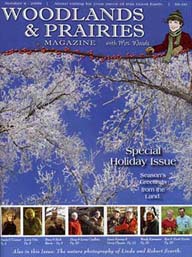
Winter 2009 Issue- Vol. 6, No.1
|
|||||||||||||||||||||||||||||||||||||
 |
|||||||||||||||||||||||||||||||||||||
 |
|||||||||||||||||||||||||||||||||||||
|
Preview theWinter 09 issue.
|
|||||||||||||||||||||||||||||||||||||
 |
|||||||||||||||||||||||||||||||||||||
 |
The Caregivers: This issue features a special section about the people on the front lines in natural resource management.
|
||||||||||||||||||||||||||||||||||||
 |
|||||||||||||||||||||||||||||||||||||
 |
|||||||||||||||||||||||||||||||||||||
 |
|||||||||||||||||||||||||||||||||||||
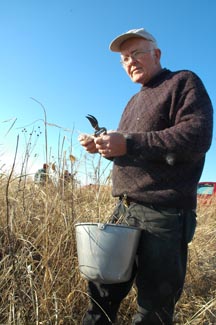
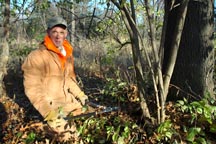
| The Maverick. “Discovering prairie remnants is not in your job description,” his bosses told Tim Keller when he worked for the Soil Conservation Service. But he kept snooping anyway. If he hadn’t, a pristine prairie remnant along an abandoned railroad right-of-way in western Illinois might have been lost forever. | |||||||||||||||||||||||||||||||||||||
 |
|||||||||||||||||||||||||||||||||||||
 |
|||||||||||||||||||||||||||||||||||||
 |
|||||||||||||||||||||||||||||||||||||
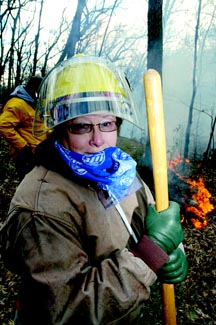 |
The Sudent. Julie Werthmann knew nothing about caring for natural resources. Then she took a Master Naturalist class from the University of Illinois. A few months later the retired office worker was happily breathing smoke through a blue bandanna as a volunteer helping with a prescribed burn of the woodland in the Black Hawk Historic Site in Rock Island, Ill. “You’re not going to care about something unless you understand it,” she says. | ||||||||||||||||||||||||||||||||||||
| Tim Keller cares for a remnant prairie he discovered. | |||||||||||||||||||||||||||||||||||||
 |
|||||||||||||||||||||||||||||||||||||
| On the fire line: Julie Werthmann studied up. | |||||||||||||||||||||||||||||||||||||
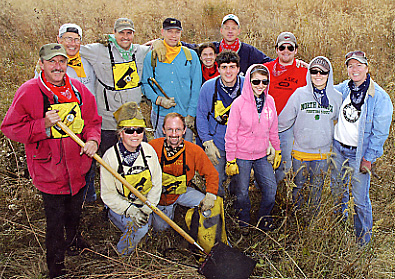
| Landowners share the work. Like the threshing rings of a bygone era, a new wave of landowners is getting together to help each other. Instead of harvesting crops, they’re caring for prairies, savannas and other native ecosystems threaded through farmland. Last year a non-profit volunteer organization called Prairie Smoke helped 40 landowners conduct prescribed burns on more than 400 acres. Read how it went for one of the burns on the 30-acre prairie of Mark and Rebecca Boenish near Rochester, Minn. | |||||||||||||||||||||||||||||||||||||
| Strength in numbers: Prairie Smoke members gather to help a fellow member conduct a prescribed burn. | |||||||||||||||||||||||||||||||||||||
 |
Tending to the needs of landowners and the land. “Like farming, you have to keep at it year after year,” says natural resource worker David Novak. He refers to the constant effort needed to keep a native restoration or reconstruction healthy. Novak represents the independent contractors who work mainly on private land. “There’s no way I could do this work by myself,” says Bobbie Shaffer, whose 20 acres near Cedar Rapids, Ia., was once choked with honeysuckle. | ||||||||||||||||||||||||||||||||||||
| David Novak: Helping landowners keep at it. | |||||||||||||||||||||||||||||||||||||
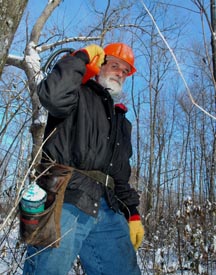 |
A special breed of forester. “The work requires mental and physical toughness,” says Duwayne Oakes, who operates Oakes Forestry out of Spring Grove, Minn. Employing a combination of brains and brawn, Oakes and his crew of three men represent the workers who do the heavy lifting in forest improvement. They’re the boots on the ground doing the thinning and other work after a landowner’s forest management plan is written. But that work force is aging, and Oakes sees few replacements in the pipeline with the knowledge and will to do the grunt work in timber management. Even with a degree in forestry it will take a special individual, he says. “One who would sooner be in the woods than anywhere else.” | ||||||||||||||||||||||||||||||||||||
| Duwayne Oakes: Doing the heavy lifting in forest improvement. | |||||||||||||||||||||||||||||||||||||
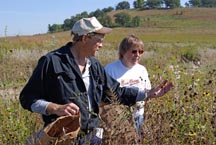 |
Worth their weight in gold. Because of tight budgets, volunteers are shouldering more and more of the work load in caring for public land. “There’s no way we could care for this land without volunteers,” says Wayne Pauly, who oversees 5,000 acres of natural area in the Dane County, Wisconsin, park system. Pauly and his staff give VIP treatment to the park’s force of some 1,300 adult volunteers through perks such as T-shirts and an annual banquet. | ||||||||||||||||||||||||||||||||||||
| Tapping a human resource: Wayne Pauly works with volunteer Ginny Nelson. | |||||||||||||||||||||||||||||||||||||
 |
|||||||||||||||||||||||||||||||||||||
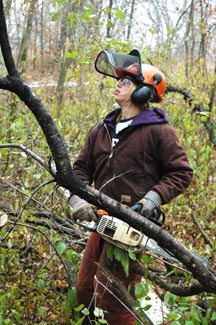
| Shades of the CCC. On a chilly November day 24-year-old Tiffany Merrill was attacking buckthorn in a state park northwest of the Twin Cities. With jobs hard to find, the University of Winona graduate found herself wielding a chain saw as a member of the Minnesota Conservation Corps. A throwback to the Depression era Civilian Conservation Corps, such programs benefit both the environment and young adults like Merrill in preparing for future careers. Stimulus funds are also beefing up programs like Americorps in providing jobs in natural resource work. | |||||||||||||||||||||||||||||||||||||
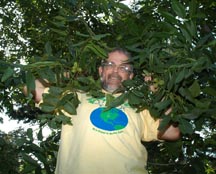
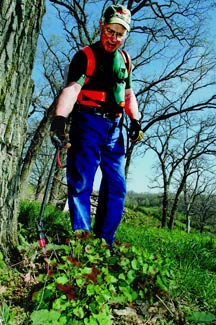
| In other stories this issue: Jack Knight reports on the pecan (Caria Illinoinesnsis), North America’s most important native nut tree. You’ll also read how Gary Fernald is working to preserve the germplasm of pecan in the northern reaches of its range in the Upper Midwest. Dan Bohlin, the magazine’s Invasive Species Guy, tells how to defeat garlic mustard. Jennifer L. Hopwood, our “Bug Lady,” reviews the important functions of insects. They include pollination, providing food, and recycling wastes. As for the insects that spread disease and eat our crops, they make up only 1.5 percent of the more than one million known insect species, according to Hopwood. | |||||||||||||||||||||||||||||||||||||
| Conservation program gives Tiffany Merrill hands-on experience in natural resource work. | |||||||||||||||||||||||||||||||||||||
 |
 |
||||||||||||||||||||||||||||||||||||
| Jack Knight on the pecan: More than a southern nut tree. | |||||||||||||||||||||||||||||||||||||
| Dan Bohlin wages war against garlic mustard. | |||||||||||||||||||||||||||||||||||||
|
|
|||||||||||||||||||||||||||||||||||||
|
|
|||||||||||||||||||||||||||||||||||||
|
Midwest Woodlands & Prairies is published four times a year by Wood River Communications.
© by Wood River Communications. Reproduction prohibited without written consent. |
|||||||||||||||||||||||||||||||||||||